

Develops energy sources from used EV-batteries
High electricity prices increase the demand for alternative energy sources. BatteryLoop develops energy storage systems that turn used EV-batteries into new energy sources. Emanuel Hallgren works as a product developer at BatteryLoop and explains how an energy storage system can cut costs and make up for capacity shortages in the national grid.
"Today's electricity grids are expensive to maintain and become vulnerable when they depend only on a central energy source such as a nuclear power plant. If we complement this with energy storage systems to a greater extent, the grid will be decentralized and stabilized," says Emanuel Hallgren.
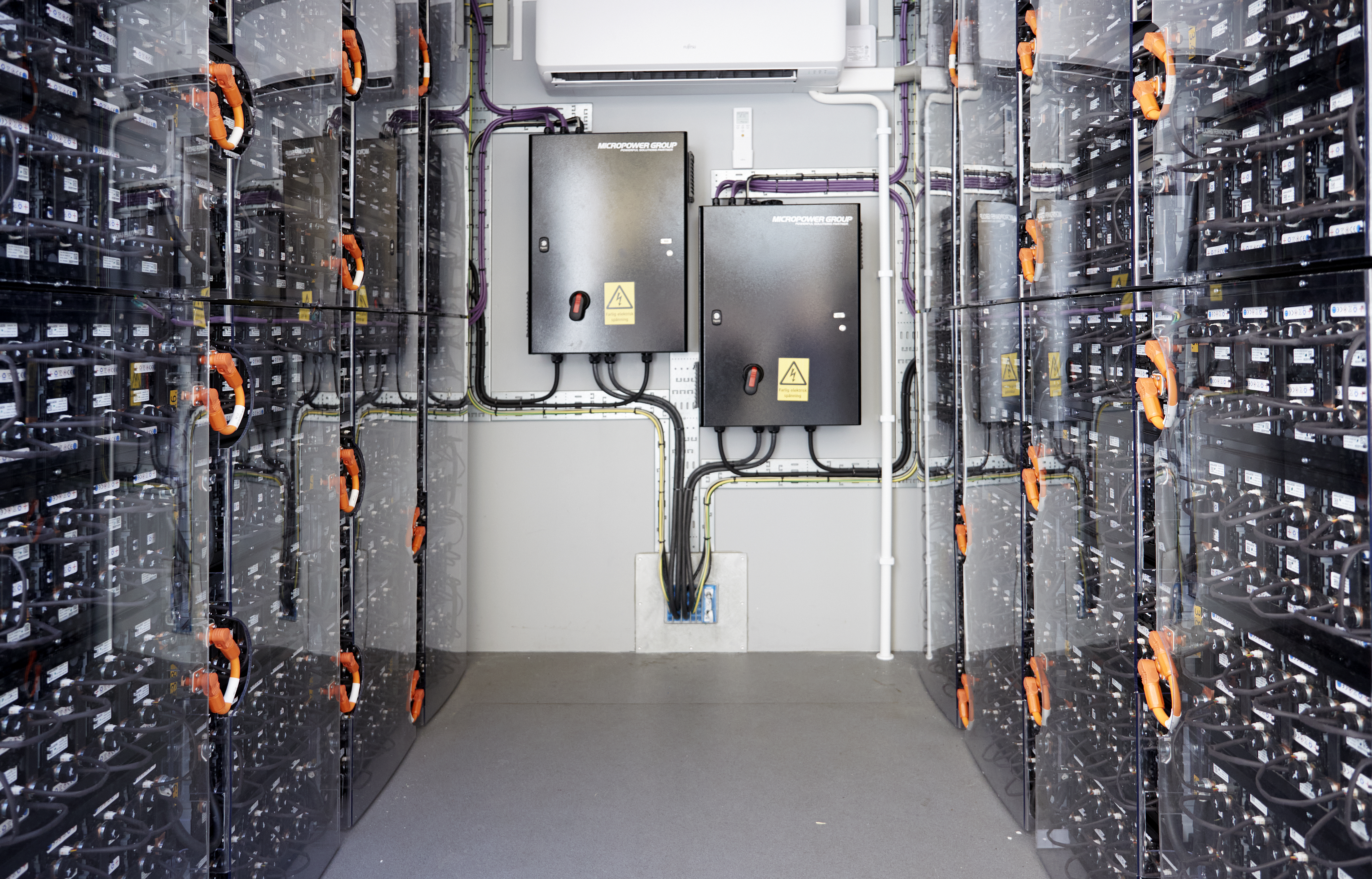
An energy storage system consists of both new and used batteries from all types of electric vehicles. An end-of-life battery still has a large part of its capacity left. The batteries in an energy storage system are controlled via a digital platform that can optimize the charging and discharging of the batteries. The biggest market potential today for this kind of energy source is in real estate, logistics and ports.
“For example, an energy storage system can help an entire residential area or an office building to reduce its electricity costs and become more self-sufficient in electricity. The energy storage system is charged at times when demand and price are lower. During large power peaks, the energy storage is used as a complement to the national grid, which in turn is relieved," explains Emanuel Hallgren.
Reduce power peaks
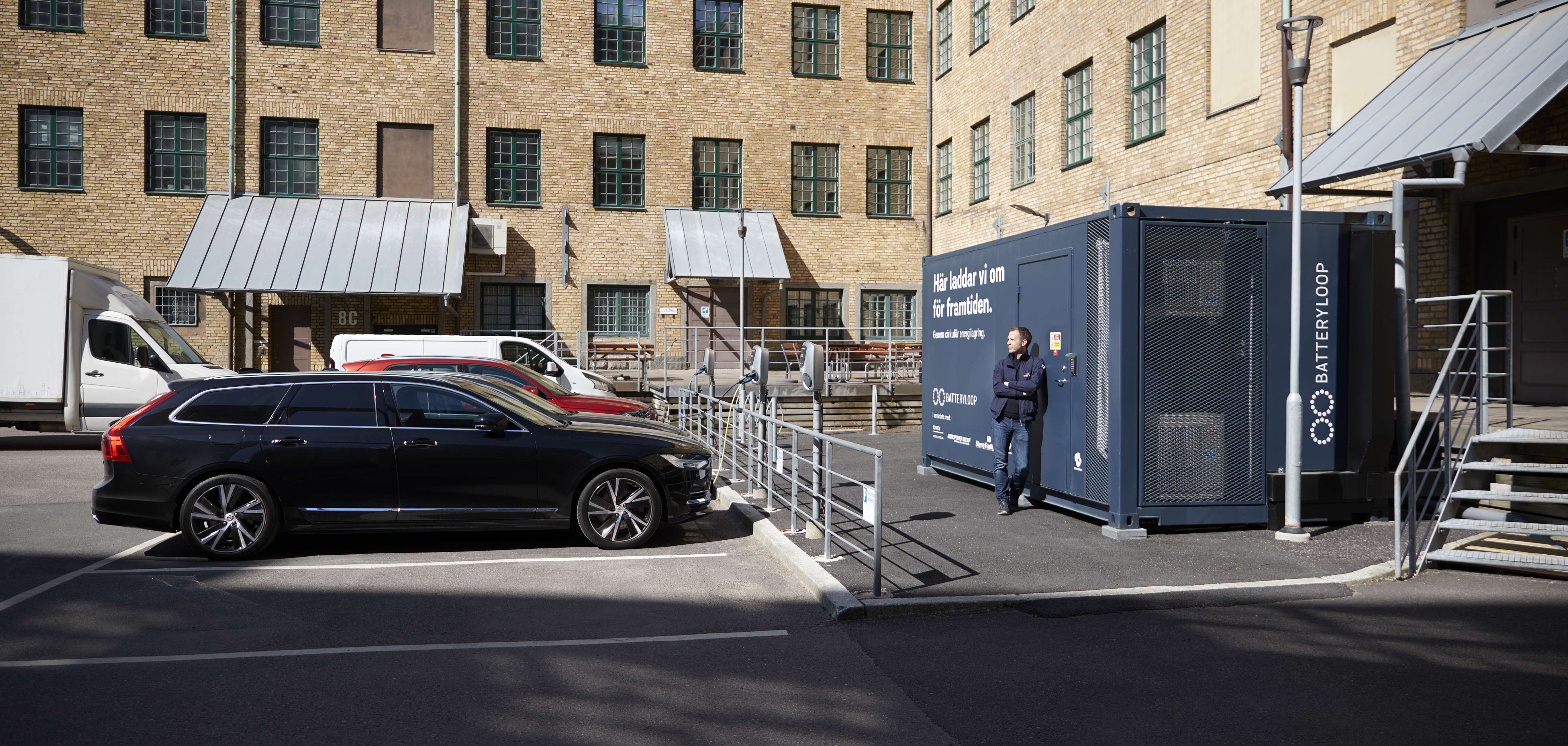
One example is an office building in central Gothenburg in Sweden, where they wanted to install 55 electric car chargers for their employees without surging electricity costs. In order to install an alternative energy source, an energy storage system with second-use lithium-ion batteries from forklifts was connected behind the meter to the building's electricity connection. After the first year of operation, power peaks have been cut by 35 percent. During certain hours even the entire building has been supplied with electricity from the energy storage system.
“Compared to using a power reserve from gas or water, for example, an energy storage system can react quickly to changes in the electricity grid. This increases profitability and reduces vulnerability. It can also be charged with renewable electricity, such as electricity from solar panels.”
Develops software architecture
Emanuel Hallgren works as a product developer and develops the software architecture of the energy storage system, together with programmers and testers.
"We’re a tight, cross-functional team and we’re responsible for planning our own work, depending on what the customers want. The challenge is to develop easy-to-use software that is easy to scale, test and maintain, regardless of the hardware platform. The software should be static in its core but flexible in its integrations as there will most likely be many different batteries in our systems in the future.”
BatteryLoop is growing in line with the increasing interest in finding cheaper and more sustainable energy sources. It began in 2017 as a project within the Stena Metall Group but is now a separate company within the group with almost 50 employees.
"Scaling up the business is a challenge. At the same time, we have the long-term perspective and security of the Stena Metall Group. Stena Metall is a flat organization, which also has its advantages. There is direct communication with management and short decision-making paths. I get to be part of a very fun and exciting journey," concludes Emanuel Hallgren.
