

The transition of the steel industry
The traditional production of steel is the largest industrial contributor to CO2 emissions. According to the World Steel Association it accounts for seven to nine percent of the total global CO2 emissions. However, the demand for more sustainable steel is increasing, pushing the steel industry in a more sustainable direction.
The transportation and mobility industries are the biggest buyers of ‘green steel’, including automotive, heavy transport, and shipping. Other major buyers include companies in heavy industry, service and trade, energy, and appliances.
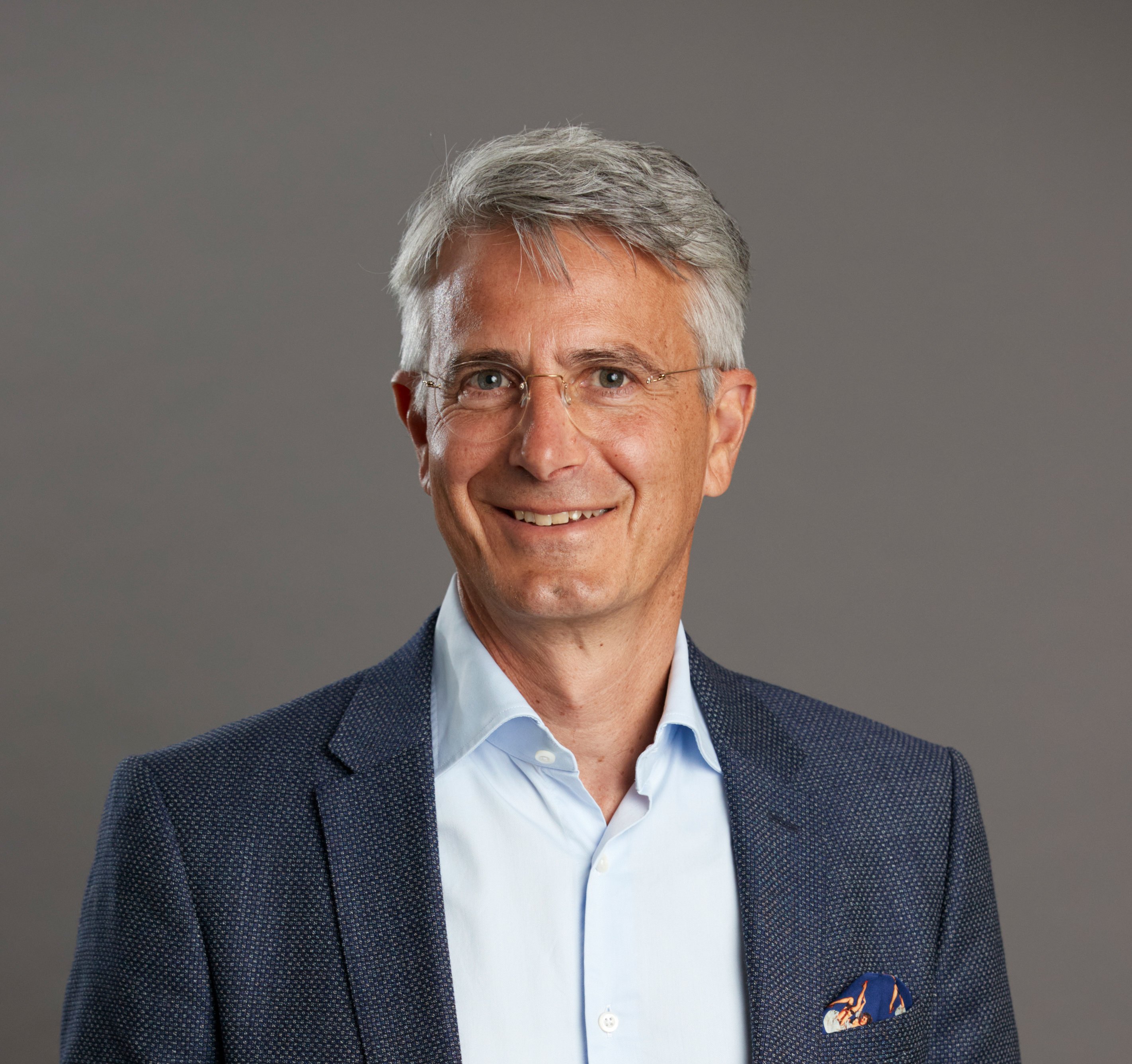
“With reducing CO2 emissions high on the agenda, the customer demand for more sustainable steel products is increasing. Regulations are putting a price on carbon emissions, which will put a financial penalty on steel produced with coal compared to more sustainable ‘green steel’ produced with less CO2 emissions,” says Mattias Rapaport, Managing Director of Stena Metal International which conducts global trade in ferrous, non-ferrous, and stainless scrap that has been collected and processed by Stena Recycling.
Steel is one of the most recycled materials in the world. According to EuRIC, the European Recycling Industries’ Confederation, using steel scrap instead of virgin ore can reduce CO2 emissions by 58 percent, air pollution by 86 percent, and water pollution by 76 percent.
There is a vast supply of steel which can find new life via recycling and circular solutions. In the EU, about 80 percent of scrap comes from obsolete materials, 13 percent is leftovers from making products, and 7 percent comes from waste and errors during steel production.
“Not all scrap is equal. While fresh waste from steel production can be placed back into the process relatively easily, old collected scrap, post-consumer scrap generally needs sorting, treating, and processing before it can be turned into new steel for new products,” says Mattias Rapaport.
Europe is currently in the process of shifting from traditional coal and iron ore-based blast furnace production towards less polluting electric furnace-based production processes.
“Most production in Europe still uses virgin materials. The secondary route uses scrap steel in electric arc furnaces and makes up about 40 percent of European production, a figure that will increase in the coming decade. This is where the Stena Metall companies play a big role. Having long relationships with companies that supply and demand scrap steel means that Stena Metall is well-positioned as demand for scrap grows. This is a great opportunity for us, but we need to continue investing in ourselves to be enablers of the green transition,” concludes Mattias Rapaport.
Read more about the transition of the steel industry in our Annual Review and Sustainability Report 2023/2024:


You might also be interested in
![Metal is converted into smaller pieces in a fragmentation machine]()
“My interest in circular economy led me to Stena Metall’s trainee program”
![A wheel loader lifts a bale of compressed paper waste.]()
“As branch manager, I am responsible for an incredibly exciting business”
![a group of Stena Recycling employees, dressed in safety gear, are examining metal scrap.]()
Competitive strength in diversity
![Two male Stena Recycling employees work outdoors at the Pori recycling facility in Finland. The shredder in the background is used to process metal scrap into smaller pieces. The work includes operating heavy machinery and vehicles. The safety issues are therefore high on the agenda and involve everyone.]()
“Workplace safety is everyone’s job”
![Ole Hansen, a male Stena Recycling production worker in high-vis protection gear in the production facility in Bergen, Norway. Inclusion builds strong teams.]()
“Working for Stena has changed my life”
![Lovisa Eriksson, head of region Stockholm at Stena Recycling, in protective gear]()
From trainee to Operations Director
![Samira Akbari, a female Stena Recycling employee in lab coat in the recycling lab at Stena Nordic Recycling Center.]()
Samira Akbari works with recycling – in the lab


